As winter temperatures drop, the risk of frozen pipes increases—especially in unheated or poorly insulated areas like basements, attics, crawl spaces, and exterior walls. A frozen pipe can lead to costly damage, but early awareness and simple prevention steps can help protect your home.
Recognizing the Signs
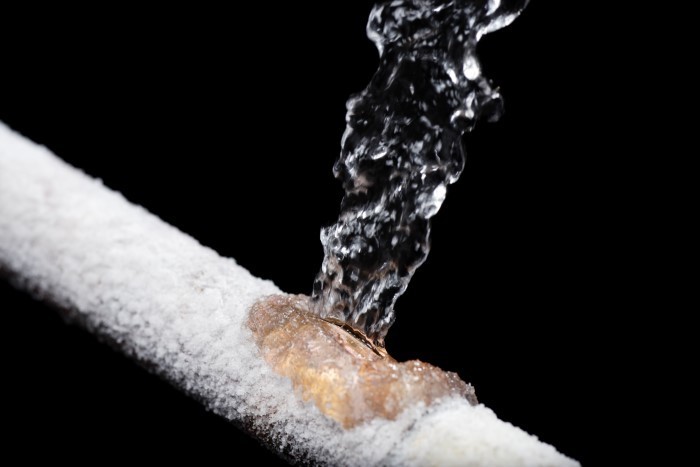
Common warning signs include reduced water flow, bulging pipes, gurgling noises, or visible condensation and surface cracks. If you notice any of these issues, turn off the water supply to the affected area—or to the entire home—to prevent further damage.
How Fast Can Pipes Freeze?
Unprotected pipes can freeze in six to eight hours, especially when temperatures fall below 32°F. Copper, steel, PVC, and other plastics can all freeze, though copper is the most likely to burst under pressure.
Thawing Frozen Pipes
Frozen pipes may thaw on their own, but this “wait-and-see” approach can increase pressure buildup and lead to ruptures. Instead, gently warm the pipe using a portable heater, heating cable, electric heating pad, hair dryer, or hot-water-soaked towels. Never use open-flame devices such as torches or kerosene heaters.
Preventing Frozen Pipes
Pipe insulation is one of the most effective ways to prevent freezing—especially in areas where temperatures drop below 20°F. Adding thicker insulation, heat tape, and extra protection to pipes that have frozen before can significantly reduce risk. On very cold nights, let faucets along exterior walls drip slowly and open cabinet doors to allow warm air to reach plumbing. Seal cracks in exterior walls, insulate crawl spaces, and check basements and garages for drafts.
If You’re Traveling
Before leaving town, set your thermostat to at least 55°F and consider asking a neighbor to check your home. Shutting off and draining the water system is another option, though it may affect fire suppression systems.
With awareness and preparation, Batavia residents can reduce the risk of frozen pipes and prevent costly winter damage.
For more information visit: https://www.bataviail.gov/o/pw/page/frozen-pipe-prevention-treatment